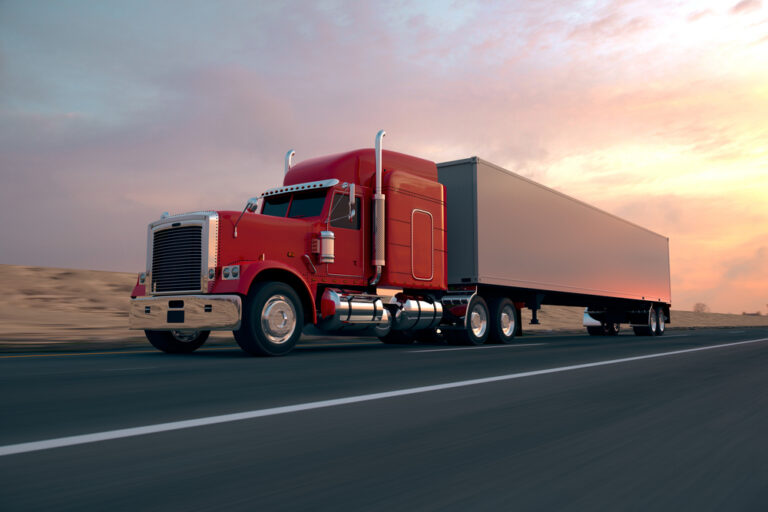
Every day, thousands of commercial vehicles travel America’s roads delivering products, transporting passengers, and providing essential services. While these vehicles keep the economy moving, they can also pose serious risks when accidents occur.
If you have been injured in a crash involving a commercial vehicle, understanding what qualifies as a commercial vehicle can help you better understand your legal rights and who may be responsible for your injuries.
What Is Considered a Commercial Vehicle?
A commercial vehicle is generally any motor vehicle used for business purposes to transport people or property. Commercial vehicles are often larger and heavier than passenger cars, but they do not have to be. Many businesses use smaller vehicles as part of their daily operations, and these may also qualify as commercial vehicles depending on how they are used.
Commercial vehicles are typically owned by businesses, government agencies, or other organizations rather than private individuals. They may also be subject to additional state and federal safety regulations, especially when they operate across state lines or exceed certain weight limits.
Common Types of Commercial Vehicles
Commercial vehicles come in many different shapes and sizes.
Some of the most common examples include:
- Tractor-trailers and semi-trucks
- Delivery vans and box trucks
- Moving trucks
- Dump trucks
- Garbage trucks
- Tanker trucks
- Flatbed trucks
- Tow trucks
- Utility and service vehicles
- Construction vehicles operated on public roads
- Buses and motor coaches
- Airport shuttle buses
- Rideshare vehicles used for business purposes
- Commercial passenger vans
While each type of vehicle serves a different purpose, all have the potential to cause serious injuries when involved in a collision due to their size, weight, or frequent operation on busy roadways.
Why Commercial Vehicle Accidents Are Different
Accidents involving commercial vehicles are often more complicated than crashes between two passenger vehicles.
Many commercial drivers must follow strict safety rules governing hours of service, vehicle inspections, maintenance, cargo securement, and licensing. If a driver or company violates these regulations, those violations may contribute to an accident.
Commercial vehicles may also carry larger insurance policies than privately owned vehicles. While this can provide more compensation for injured victims, it often means insurance companies and trucking businesses fight claims aggressively.
Determining who is responsible may also require a thorough investigation into driver records, maintenance logs, electronic data, employment records, and company policies.
Who Can Be Held Liable?
One of the biggest differences in a commercial vehicle accident is that more than one party may be legally responsible for your injuries.
Depending on the circumstances, liability may include:
- The commercial driver
- The driver’s employer
- The trucking or transportation company
- A vehicle maintenance contractor
- A cargo loading company
- The manufacturer of a defective vehicle or part
- Another negligent motorist whose actions contributed to the crash
Identifying every responsible party is important because it can significantly affect the compensation available in your case.
Compensation After a Commercial Vehicle Accident
If another party’s negligence caused your accident, you may be entitled to recover compensation for both your economic and non-economic losses.
Depending on the circumstances, compensation may include:
- Medical expenses
- Future medical treatment
- Lost wages
- Reduced earning capacity
- Property damage
- Pain and suffering
- Emotional distress
- Permanent disability or disfigurement
- Loss of enjoyment of life
- Wrongful death damages when a loved one is killed
The value of every claim depends on factors such as the severity of the injuries, available insurance coverage, and the evidence establishing liability.
How a Personal Injury Lawyer Can Help
Commercial vehicle accident cases often involve complex investigations, multiple insurance companies, and businesses with significant legal resources. An experienced personal injury attorney can protect your rights throughout the claims process.
A lawyer may help by:
- Investigating the cause of the accident
- Preserving important evidence before it is lost
- Identifying all potentially liable parties
- Reviewing company safety records and maintenance documents
- Working with accident reconstruction and medical experts
- Negotiating with insurance companies
- Taking your case to trial if a fair settlement cannot be reached
Early legal representation can also help prevent costly mistakes and ensure important evidence is preserved before it disappears.
Contact a Personal Injury Lawyer at Feller & Wendt, LLC for a Free Consultation
If you were injured in an accident involving a commercial vehicle, you may be facing mounting medical bills, lost income, and uncertainty about your future. An experienced personal injury lawyer at Feller & Wendt, LLC can explain your legal options, investigate the crash, and pursue the compensation you deserve.
Contact a qualified attorney today for a free consultation to learn more about your rights.
Schedule a free case evaluation with our team today. We proudly serve Layton, St. George, Salt Lake City, Phoenix, Mesa, Meridian, and its surrounding areas.
Feller & Wendt, LLC – Layton Office
67 S. Main St., #100
Layton, UT, 84041
801-499-5060
801-421-1569
Feller & Wendt, LLC – St. George Office (by appointment only)
169 W 2710 S Cir, Suite 202-A
St. George, UT, 84790
801-499-5060
801-421-3132
Feller & Wendt, LLC – Salt Lake City Office
4424 South 700 East, Suite 240
Millcreek, UT, 84107
801-499-5060
801-421-2445

Feller & Wendt, LLC – Phoenix Office
1 N 1st St, Suite 7550
Phoenix, AZ, 85004
480-702-2277
480-360-4471
Feller & Wendt, LLC – Mesa Office
2222 S Dobson Rd, # 500
Mesa, AZ, 85202
480-702-2277
480-573-7601
Feller & Wendt, LLC – Boise Office
5536 N Eagle Rd,
Boise, ID, 83713
208-595-6953